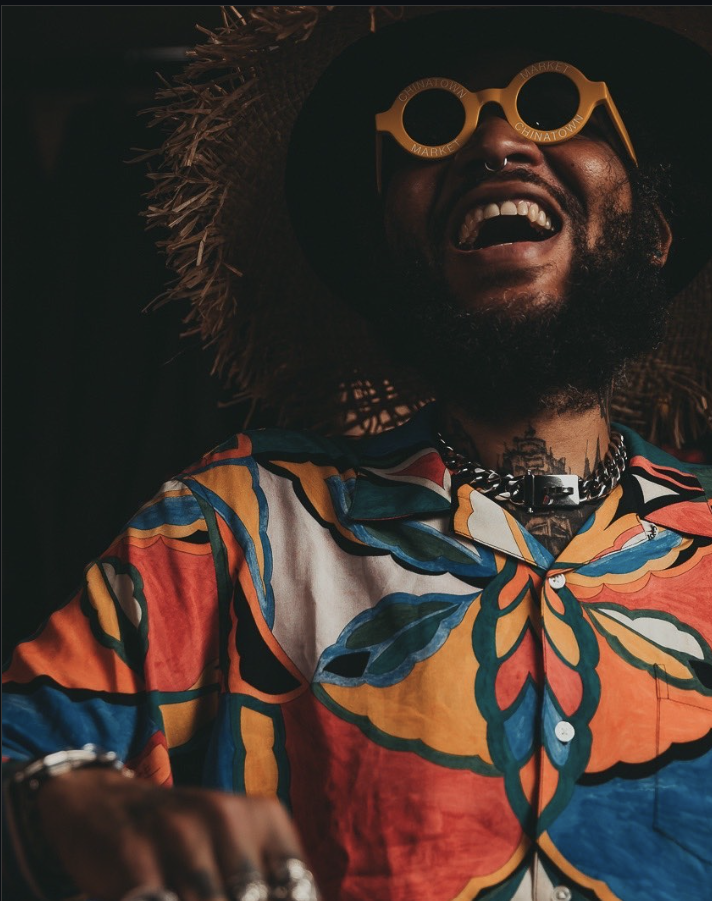
I met Ak in the summer of 2011 at a wine bar where a friend of mine was bartending. At some point he told me he was about to get a bow-tie tattoo, right where a bow tie would sit. He left. About forty-five minutes later he came back looking disappointed.
“This did not turn out the way that I thought it would.”
That is one of the first memories I have of Joseph Spiver, the man almost everybody around me called Ak. In nightlife he was Ak Murda.
Paes has been my tattoo artist since I was in the Army. That was more than twenty years ago, and he has been a close friend ever since. I only introduce Paes to my closest friends, so it was natural that I introduced him to Ak. Ak became a regular client whenever Paes was in New York. I also introduced him to Majestic, a fashion designer and entrepreneur I had met at a random happy hour at Pianos and hit it off with right away. Majestic is one of the realest, most good-hearted people you will ever meet, always positive, always being a friend. He and Ak became best friends. By then Ak and I were already becoming friends too. Calls, texts, parties, DJ bookings, nights on the Lower East Side and in Williamsburg, people coming and going through our lives. New York friendships can be built out of a lot of noise. This one outlasted it.
Ak could walk into a room full of people who did not know him and make that stop mattering almost immediately. At a Christmas party my girlfriend and I threw, he walked into a room of strangers and announced something very close to this: “All right, guys, the token Black man is at the Christmas party. It’s time to have a good time.” The room laughed. Ak kept going. After that night, friends were following him online and buying clothes from his brand, Akimoto NYC.
That same night we played bingo. The usual game was a dollar, but I convinced everybody to put in twenty. There were ten of us, so the pot was two hundred dollars. I won. Everyone thought I had rigged it. I had not. As soon as I said bingo, Ak erupted in that long, drawn-out laugh of his. I rubbed the win in. I was a sore winner, and he kept laughing. I enjoyed making him laugh.
He had a way of speaking that could start low and deep and climb into something high and animated. He called people “fam.” He called people “beloved” constantly. Hello, goodbye, the middle of a conversation, it did not matter. He laughed at my sarcasm and the absurd things I said about people. He generally did not make the same mean jokes himself.
He did make fun of trends. He had a routine about people drinking lean, announcing that cough syrup was last year and that this year everybody was drinking mouthwash. I remember it going something like, “This year we drinking mouthwash. I got winter fresh, I got spearmint, and I got cinnamon. We drinking mouthwash.” He exaggerated his movements and strutted like a seventies pimp, using that animated voice to sell the joke.
One afternoon we ran into each other on the Lower East Side when we were both off work. A beer around noon became a night that lasted until about three in the morning. We spent part of it with two friends of mine. Later, walking and laughing, Ak sang “day drinking” in the manner of Rick Ross’s “Stay Schemin’,” adding an exaggerated gangster lean.
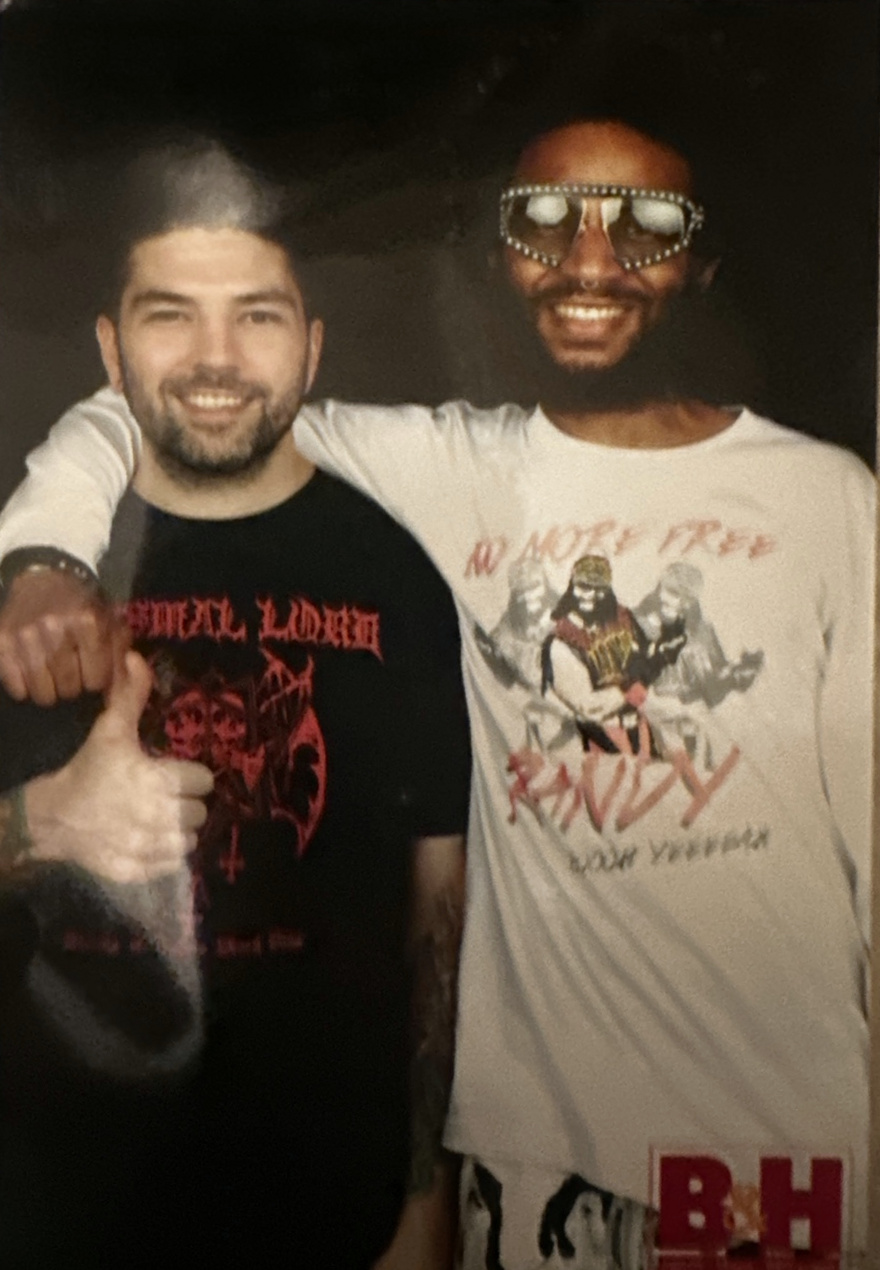
His clothes could make as much noise as he did. I remember a silk shirt with army fatigue pants, cowboy boots and a baseball cap; JNCO jeans with cowboy boots, a cowboy hat, a chain wallet and sunglasses that looked like they belonged to Macho Man Randy Savage. Urban, punk, bohemian, athletic, classic. He could mix all of it and still look like one person had made the decision. Sometimes the T-shirt was his own Akimoto design, worn with the same jeans, boots and hat.
Ak was also serious about work, although the kinds of work he did looked like they belonged to different people.
He was a New York State Court Officer at Bronx Supreme Court. I knew that, but I never once saw him in uniform. He told me he kept his going-out clothes in the courthouse locker room. He did not talk much to me about the courthouse. He did not seem to be hiding it. It was simply a part of his life I did not see.
The DJ booth was different. I saw him there often. He had been DJing since he was a teenager, and I heard him handle rock, rap, trap, disco, house and techno at different kinds of events. His own taste leaned toward party rap, trap and club music. I regularly discovered music by listening to him play.
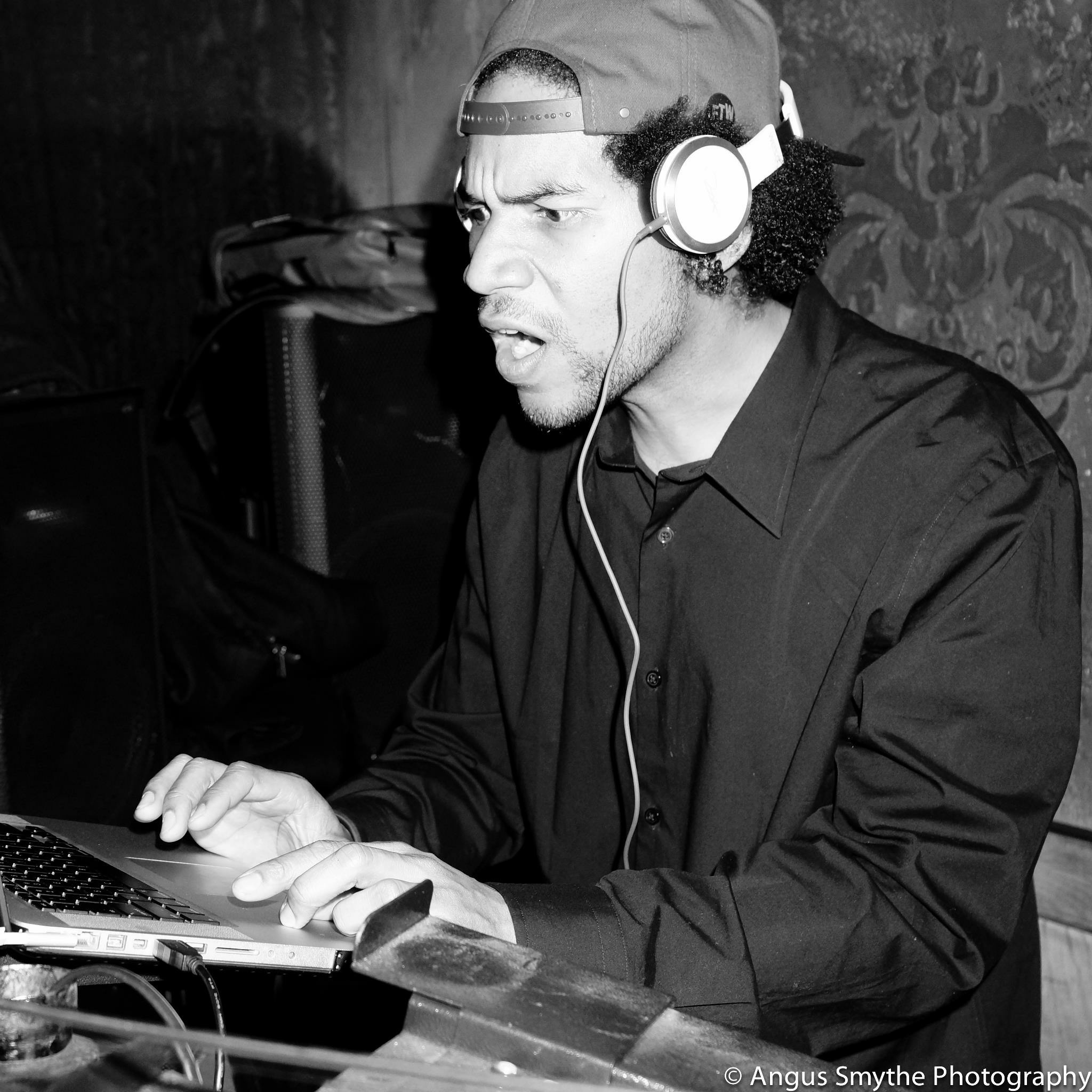
I booked him at a nightclub in 2013. At his first set there, I remember the crowd moving and enjoying what he was playing. He knew how to read the room and give people a record they did not know they wanted until they heard it. Management came up to me asking who he was.
He seemed confident about how well he had done, but not surprised. There was humility in it too. I remember him telling me, “You put me on the main stage when they wouldn’t even let Black people in the door.” It sounded sincere. I understood how much the opportunity meant to him.
Ak was Ninjasonik’s DJ. I never saw the group perform live, but I heard the pride in his voice when he talked about what they had done. In a 2013 Vice interview, Telli, a member of the group, called him “our DJ, DJ Ak Spiver” and credited him with suggesting an approach to their cover of “Jump Around.” In 2015, he presented the mixtape Fame School Over Everything as DJ Ak Murda. He also rapped in Equalizarz, a two-man project with Don Junio.
Akimoto NYC was another part of his working life. He designed and customized clothing, organized shoots, worked with collaborators and put on fashion shows. Fashion Week was a particularly busy time for him. I would meet him at a boutique or a fashion event, and he would be introducing me to people and catching up with others. From there we would go to a nightclub, and he would continue. Even on an ordinary night out, if he was not DJing, he was usually in the crowd talking to people. He made the night better.
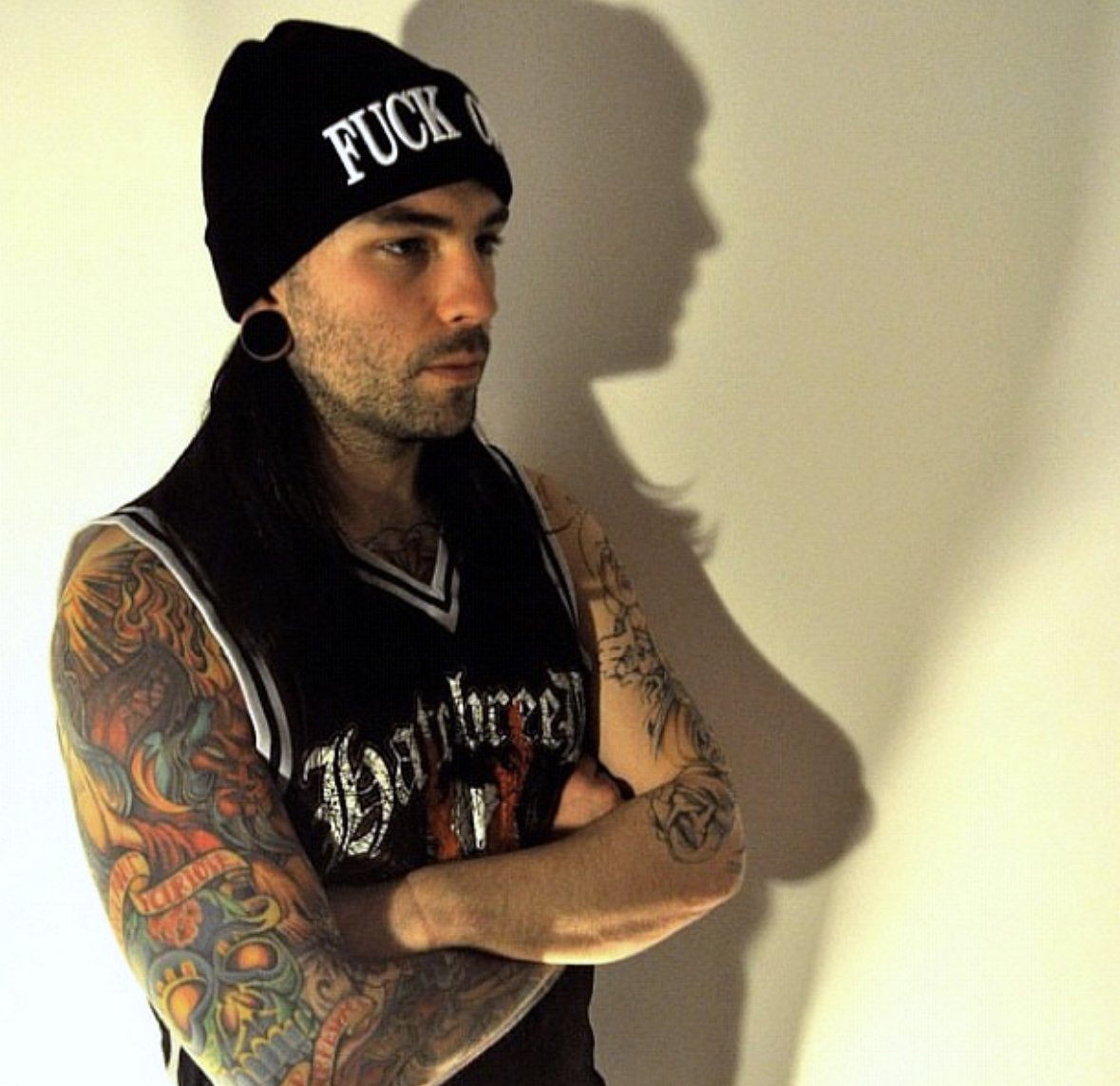
At an Akimoto shoot in Williamsburg, I modeled one of the hats. My hair was past my shoulders. I had on black skinny jeans and a Hatebreed jersey. Ak knew what he wanted. He had me turn so my left shoulder pointed toward one o’clock, fold my arms, look straight ahead and keep a serious expression. I loved the photograph that came out of it. He was gentle about the direction, but he was exact.
I also remember a dinner he organized with his friends where I got very drunk. My memory of the night is unreliable; I was probably blacked out. What I remember is Ak taking me outside, calling a cab, making sure I got in and repeatedly asking whether I was okay. Later, he kept calling until I answered at home.
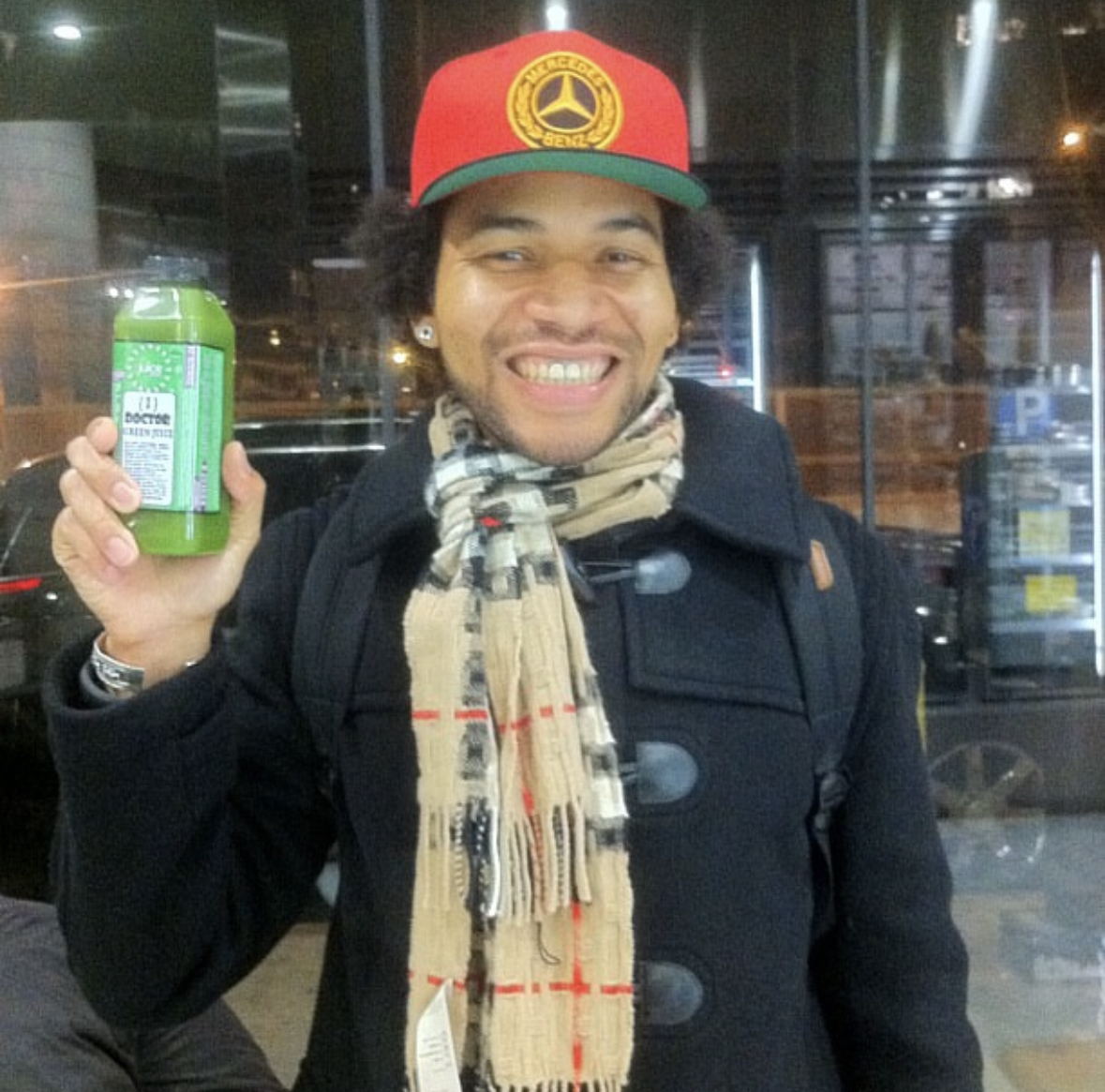
Around 2014, while I was working at Juice Press in the West Village, he visited me there. He was getting interested in health and wellness, and I would hook him up when he came by. I have a photograph from one of those visits: a green drink held up in his hand, a red cap, a broad smile.
In 2018 we went to see Smashing Pumpkins at Madison Square Garden. By then Ak was deep into the alkaline diet. I ate a hamburger and he gave me a look like I had lost my mind. Mostly, though, he sat back and took the show in.
Even after I stopped working in nightlife, he kept calling. He kept texting. He came over. We went to concerts and basketball games.
Ak brought his son to my apartment a few times. On one visit the boy got loud. Ak corrected him, but what I remember is that the correction came with an explanation. He told him, more or less, that we don’t act like that in somebody else’s home, that people won’t want us back and the neighbors can get upset, and that we respect other people’s space. He did not only say stop. He explained why and what to do differently.
From our conversations, I understood that fatherhood and stability mattered to him. He wanted a stable household. He wanted to be a great father and a provider.
I also saw him hurting. One night at my apartment he was unusually quiet. He told me he was having relationship problems. His voice was low and flat, his energy was down, and he seemed to be in a lot of emotional pain. We talked seriously. He did not turn the conversation into a joke.
Later that same night we went to a club where a friend of his was DJing. We ran into people we knew, and Ak was sociable and animated again, talking and catching up with them.
Over the years I noticed changes in how he lived. He got leaner. His skin cleared up. He stopped drinking and smoking weed, went out less, and became more interested in health and more openly spiritual. Our conversations changed too. We talked less about the best party or the hottest women and more about health, becoming better people, stability and God.
That side of him is all through the messages I still have. He called me beloved, family, brother. He sent scripture, encouragement about the Universe and inner change, and messages about gratitude. Some were long. Others ended with something as simple as “Have a magical day E”. One message said, “my attitude is gratitude”. On my birthday he wrote, “thank you for being a brother thanks for always giving me opportunities and putting me on to being a better me”.
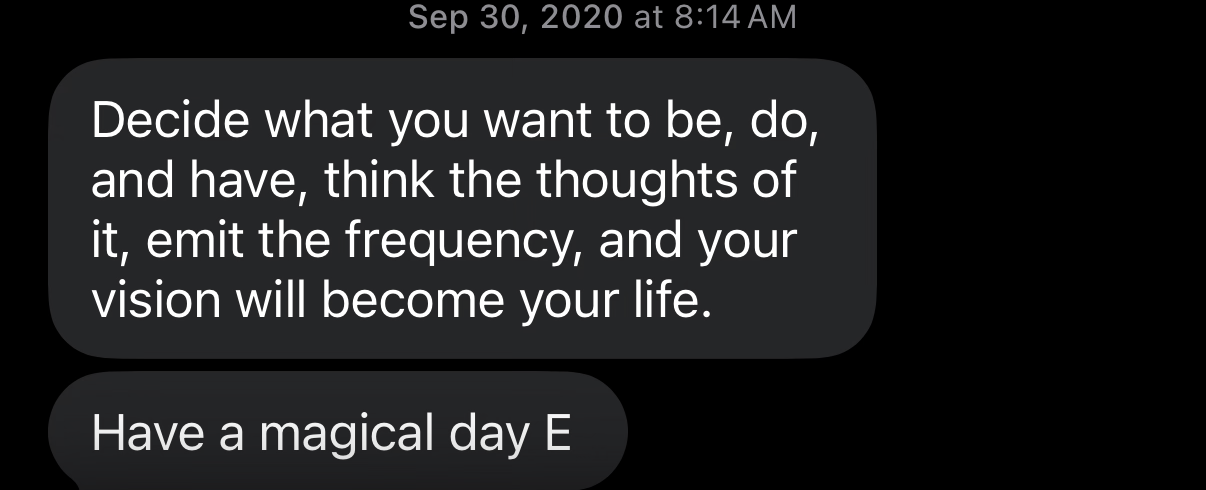
He also wrote:
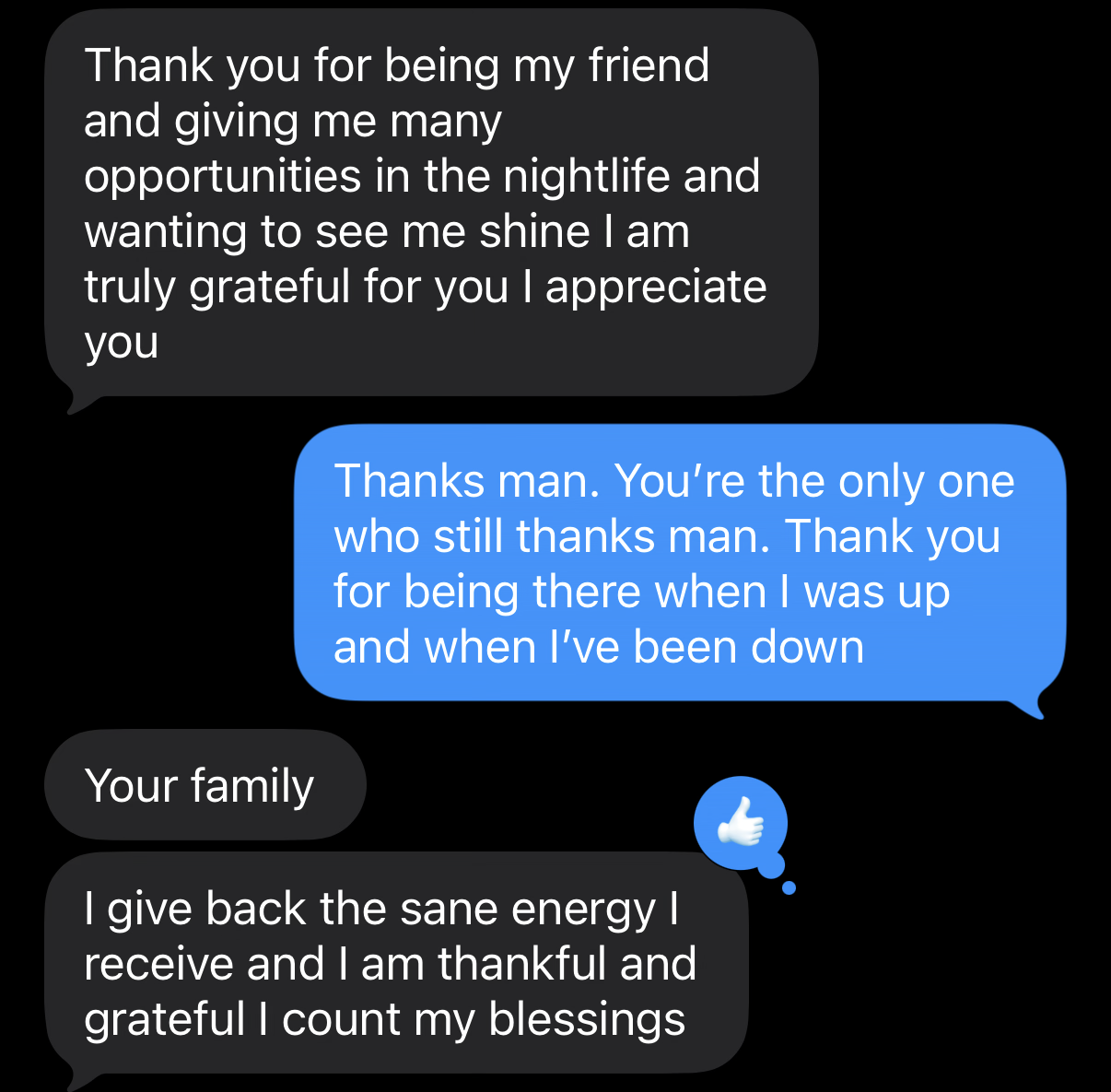
During a hard stretch for me in the lockdown, he checked in again and again, usually before I did. Mostly by text, sometimes by phone. He asked how I was feeling and followed with encouragement. He brought up God, sent Bible verses and reminded me to be thankful for being alive. He kept doing it. One night I told him I was tired of fighting. He wrote back, “There’s nothing left in this gift of life you wanna accomplish?” Then: “Whatever you believe shall be.”
In one exchange he wrote:
“God sent me to you”
“I’m Just a vessel”
“Working for him”
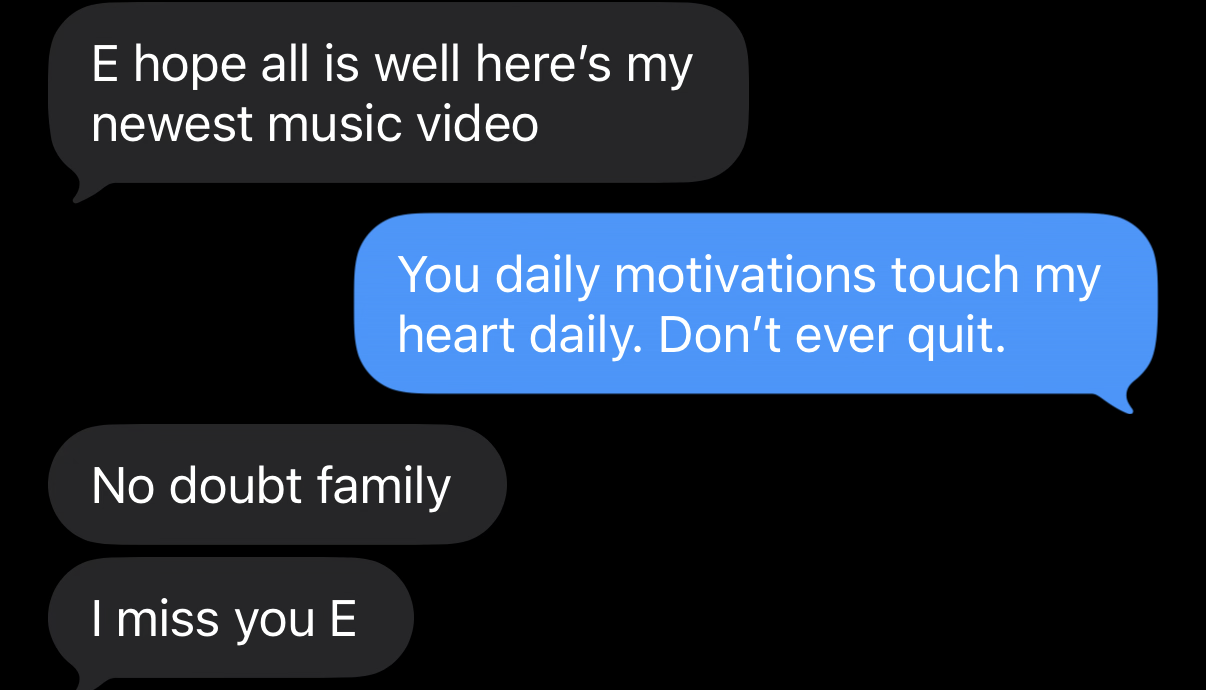
Not long before he went into the hospital, he texted me his newest music video. “I miss you E.”
In a post on September 10, 2021, Ak wrote that he had been in the hospital since August 24 with COVID and double pneumonia, and that he was having trouble breathing on his own.
He also recorded an Instagram Live from the hospital. He called people beloved, joked and talked about fashion, music and his plans. He also complained about the food and said family and friends were bringing meals that suited his alkaline vegan diet. He thanked God and told people to mask up. He spoke about his breathing and the effort it took to stand, and about the exercises and changes of position he believed were helping him.
He spoke about God choosing him as a vessel to motivate people, and connected that purpose to fashion and affirmations. He also said the line I had heard from him for years: “I am you, you are me, we are one.”
I was calling him privately about twice a week. On the first call, his voice sounded like he had been running. He had to pause between words to breathe. He told me he had COVID and double pneumonia, but he was confident he was going to get through it.
As the calls went on, he sounded more tired, more winded and sometimes more irritable than I had ever heard him. He would get snappy about the staff. I had never heard that tone from him before, and it alarmed me. Even then, he kept telling me he was going to get better.
On our last call, I told him I was rooting for him, that I was in his corner and that when he got out we would go out like we used to. His voice was very slow and winded. He still sounded confident he would make it. He thanked me for reaching out and barely had the energy to say goodbye.
Eventually he stopped answering, and his girlfriend began replying for him. Majestic was closer to Ak than anyone, and I was close with Majestic, so he was the one with the latest news. During the week before October 7, I talked with him every day about how Ak was doing. On October 7, Majestic called me.
“He’s passed.”
The Uber ride from the Lower East Side to Queens for the funeral felt long. It was an ordinary October morning. When I arrived, the funeral home was white and well kept, with neat grass and new-looking hearses outside.
Inside, everyone was wearing masks. The rooms were very white and polished, almost luxurious. Christian praise-and-worship songs were being played on a piano. Some people wore traditional funeral suits and dresses. Others showed up in striking, carefully put-together outfits that felt to me like tributes to Ak.
There was a set time for people to approach the casket, so I waited my turn. When I got to the front, I put my hands behind my back out of respect, closed my eyes, said a prayer and told him goodbye.
Ak was wearing a suit. He was also wearing the same kind of oversized Macho Man Randy Savage-style sunglasses I had seen him wear in life. Near the flowers by the casket was a formal law-enforcement portrait of him, and uniformed officers were there. I had known him for years and had never once seen him in uniform.
Afterward I walked to the back of the room because it was packed and I wanted to leave the seats for his family. I hugged his girlfriend and his aunt. My eyes were full of tears and my voice cracked while I told them I was sorry, that I was going to miss him and that I was praying for them. Then I stood quietly in the back. Shape was there, one of the first friends I made in New York. Anyone I was close with, Shape was close with too, and that included Ak. Telli was there. Majestic was there too.
What I remember most about the service is how much people were mourning and how encouraging the speakers still were. Majestic spoke and paid tribute to him. The encouragement reminded me of Ak.
When the service ended, everyone filed outside. Friends and family held life-size photographs of Ak over their heads as they walked out.
I could not go to the burial. I had to get into another Uber and go straight to work.
I went to work that day, and in a way I kept going to work for years instead of letting myself grieve him.
I still have photographs. I still have messages. I still have the word he used for people so casually that I cannot hear it now without hearing him.
Some of him stayed with me. I check in on friends and the people I love constantly now, the way he checked in on me. When one friend started posting about struggling with mental health, I reached out. When another was fighting for custody and could not see his daughter, I reached out to him. Ak got sober years before I did, and when I finally did, in a way I did it for him too. I am thankful for my sobriety, my health, my youth, my energy and the life God has given me. My attitude is gratitude.
Sometimes it is a song from those years. Sometimes I am scrolling through Google Drive and one of his pictures appears without warning. Sometimes it is only one word, said by somebody else.
Beloved.